











“ It's okay NOT to be okay, strength is in
seeking help, and self-care is vital. ”

Meditation illustration

Overview

GlobalMindCare is dedicated to raising awareness about mental health and well-being. Our goal is to provide a comprehensive, one-stop platform that offers valuable information, statistics, and resources to help individuals better understand mental health struggles and take proactive steps toward self-care. Through our informative website, we aim to reduce stigma around mental health, offering knowledge and support for those navigating the pressures of work, personal life, and more. With a holistic approach, we hope to empower individuals to prioritize their mental health and access the services they need.

Overviewimage
Mission image

Our Mission

At GlobalMindCare, our mission is to promote mental health awareness and well-being, recognizing the unique challenges that individuals face in today’s fast-paced world. We aim to create an accessible and informative platform that educates, empowers, and supports people in navigating mental health struggles. Through offering insightful resources and information, our goal is to foster a deeper understanding of mental health. We believe that by providing accurate information and easy access to services, we can help individuals take control of their mental health, make informed decisions, and cultivate healthier lives.

Importance of Staying Healthy Mentally

Maintaining mental health is just as crucial as physical health, as it directly impacts how we think, feel, and act. A strong mental state enables individuals to cope with stress, build healthy relationships, and make informed decisions. Prioritizing mental well-being helps foster resilience, improves overall quality of life, and allows people to effectively navigate life’s challenges. Just like physical health, mental health requires attention, care, and support to ensure long-term balance and happiness.

slide 1 slide 2 slide 3 slide 4
Importance1

1 in 4 people experience
mental disorders in their lives

Importance2

More than 1 billion people are
living with mental health disorders

Importance3

Mental disorders account 1 in
6 years lived with disability

Prioritizing mental health is essential not only for individual well-being but also for creating a supportive and thriving community. By investing in your mental health, you improve your ability to manage stress, maintain strong relationships, and achieve personal and professional goals. Taking steps to stay mentally healthy is a powerful way to enhance our overall quality of life and build a foundation for lasting happiness and success.

Articles

Researches

Case Studies

Case study 1

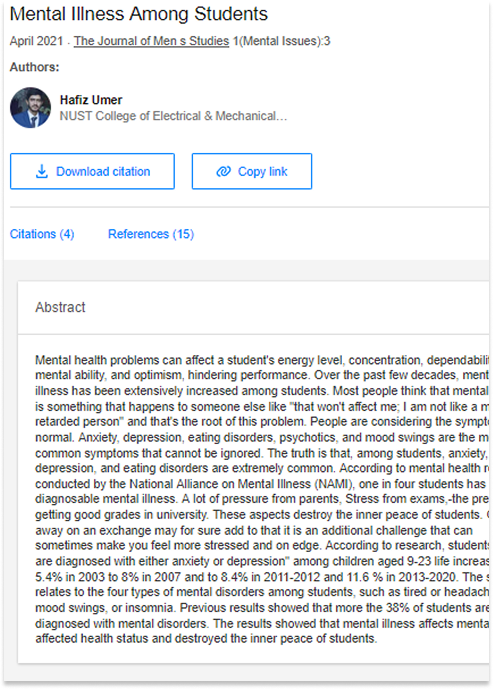
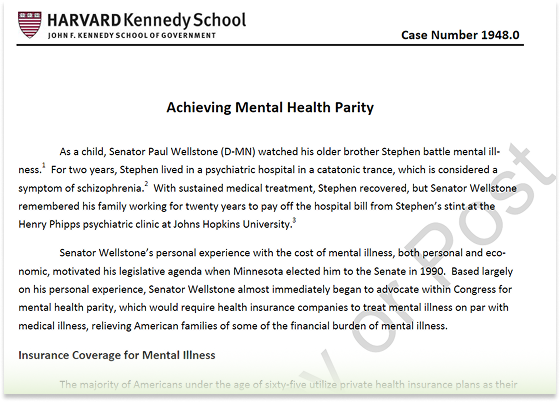
Achieving Mental Health Parity

In October 2008, President George W. Bush signed into law a requirement that certain private health insurance plans provide coverage for mental illness equal to coverage provided for medical-surgical illness as part of an economic stimulus package, capping more than a decade of advocacy in both houses of Congress by a bipartisan coalition of Congressmen and Senators for mental health parity.

Learn More

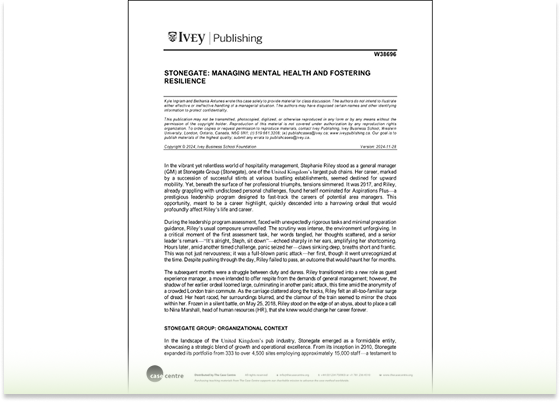
Stonegate: Managing Mental
Health and Fostering Resilience

"Stonegate: Managing Mental Health and Fostering Resilience" refers to a widely used business case study, particularly about the UK's largest pub company, Stonegate, detailing how a General Manager overcame severe work-related stress and burnout with organizational support, highlighting the need for leadership, resources, and stigma reduction in hospitality.

Learn More
Case study 2

Statistics & Cited Information

Suicide rates most
common among ages
15-29 (WHO)

Women more likely to
experience depression and
anxiety. (WHO)

Recent years have shown
an increase in depression
rates (WHO)

Types of Mental Health Disorders

ADHD

Attention Deficit Hyperactivity Disorder (ADHD) is a manageable neurodevelopmental condition which can affect several many aspects of your everyday life such as your attention span, emotional regulation, organisation skills and daily functioning. ADHD can impact both children and adults and may influence academic performance, work productivity, relationships and self-esteem. ADHD can be categorized into 3 types: Predominantly Inattentive Type, Predominantly Hyperactive-Impulsive Type and Combined Type — all of which are important to identify in order to receive appropriate support as early as possible such as medication, therapy and behavioural strategies (coaching, routines, support systems, etc).

The following are key characteristics of ADHD:

  • Difficulty sustaining attention
  • Impulsivity and acting without thinking
  • Hyperactivity or restlessness
  • Challenges with organisation and time management

ADHD illustration

Addiction

Addiction is a treatable chronic condition which can affect several many aspects of your everyday life such as your physical health, mental health, relationships and career. Addictions can be categorized into 2 types: Substance Addiction and Behavioural Addiction (Non-substance) - both of which are crucial to find treatment for as soon as possible like medicines, therapy and support groups (Friends, family, etc.).

The following are key characteristics of addiction:

  • Compulsive behaviour
  • Repeated behaviour despite risk of danger
  • Lack of self control
  • Changes in individual’s brain chemistry
Addiction illustration

Anxiety

Anxiety is a manageable mental health condition which can affect several many aspects of your everyday life such as your thought patterns, emotional well-being, physical responses and daily activities. Anxiety involves persistent feelings of worry or fear that may interfere with concentration, sleep, relationships and overall quality of life. Anxiety disorders can be categorized into several types: Generalized Anxiety Disorder (GAD), Panic Disorder, Social Anxiety Disorder and Specific Phobias — all of which are important to identify in order to receive proper support as early as possible such as therapy, medication and coping strategies (relaxation techniques, grounding exercises, support systems, etc).

The following are key characteristics of anxiety:

  • Excessive and persistent worry
  • Restlessness or feeling on edge
  • Rapid heartbeat or physical tension
  • Difficulty concentrating
Anxiety illustration

Borderline Personality Disorder (BPD)

Borderline Personality Disorder (BPD) is a treatable mental health condition which can affect several many aspects of your everyday life such as your emotional regulation, self-image, relationships and behaviour patterns. BPD is often associated with intense emotions and difficulty managing reactions, which may impact personal stability, social connections and daily functioning. BPD can be categorized into different patterns of symptoms such as emotional instability, impulsive behaviours, distorted self-image and fear of abandonment — all of which are important to recognize in order to receive proper support as early as possible such as therapy, medication and long-term coping strategies (dialectical behaviour therapy, counselling, support networks, etc).

The following are key characteristics of Borderline Personality Disorder:

  • Intense and rapidly changing emotions
  • Fear of abandonment
  • Unstable relationships
  • Impulsive or self-destructive behaviours
BPD illustration

Depression

Depression is a treatable mental health condition which can affect several many aspects of your everyday life such as your mood, motivation, energy levels and overall well-being. Depression involves persistent feelings of sadness or emptiness that may interfere with daily routines, relationships, work performance and self-worth. Depressive disorders can be categorized into several types such as Major Depressive Disorder, Persistent Depressive Disorder (Dysthymia) and Seasonal Affective Disorder — all of which are important to identify in order to receive proper support as early as possible such as therapy, medication and emotional support (counselling, lifestyle adjustments, support systems, etc).

The following are key characteristics of Depression:

  • Persistent feelings of sadness or hopelessness
  • Loss of interest or pleasure in activities
  • Fatigue or low energy
  • Difficulty concentrating
Depression illustration

Eating Disorders (ED)

Eating disorders (ED) are treatable mental health conditions which can affect several many aspects of your everyday life such as your eating behaviours, body image, physical health and emotional well-being. EDs involve unhealthy relationship with food and weight that may interfere with daily functioning, self-esteem, relationships and overall quality of life. Eating disorders can be categorized into several types such as Anorexia Nervosa, Bulimia Nervosa and Binge Eating Disorder all of which are important to identify in order to receive proper support as early as possible such as therapy, medical treatment and nutritional guidance (counselling, meal planning, support systems, etc).

The following are key characteristics of Eating Disorders (ED):

  • Preoccupation with food, weight or body shape
  • Restrictive eating or binge–purge behaviours
  • Distorted body image
  • Feelings of guilt or shame around eating
Eating disorder illustration

Grief

Grief is a natural emotional response to loss which can affect several many aspects of your everyday life such as your emotions, thought processes, energy levels and daily functioning. Grief may involve intense feelings of sadness or longing that can interfere with routines, relationships, sleep and overall well-being. Grief can be experienced in different forms such as acute grief, complicated grief and anticipatory grief — all of which are important to acknowledge in order to receive proper support and understanding as early as possible such as counselling, emotional support and coping strategies (support groups, self-care practices, trusted connections, etc).

The following are key characteristics of Grief:

  • Deep sadness or emotional pain
  • Difficulty accepting the loss
  • Changes in sleep or appetite
  • Emotional numbness or withdrawal
Grief illustration

News

National Coalition for Mental Wellbeing

The National Collection for Mental Wellbeing (NCMW) is a centralized data initiative designed to improve mental health services by gathering, analyzing, and sharing information about mental health trends and outcomes. This collection aims to provide a comprehensive overview of mental health across different populations, track the effectiveness of mental health interventions, and identify gaps in services. By consolidating data from healthcare systems, community programs, and other mental health services, the NCMW helps policymakers, health professionals, and researchers make informed decisions. The ultimate goal is to enhance access to mental health care, reduce stigma, and promote well-being on a national scale, ensuring that individuals receive the support they need.

NCMW image

Comprehensive
Data Coverage

Enhanced Patient
Experience
Feedback

Increased Access
to Mental Health
Services